Thursday, October 21, 2010
Big in China
Soon after Cuba announced its most recent layoffs and economic reforms in the area of self-employment, El Yuma was inundated by calls from the media.
In the space of two weeks I spoke to The New York Times (twice), The Miami Herald, the AP Havana bureau, The Christian Science Monitor (twice), a Jamaican radio station, a reporter from the Dutch equivalent of AP (who is now in Cuba), and the Chinese magazine Life Week, whose reporter, Cloris, told me that it is the most widely circulated news magazine in Beijing. Can anyone confirm or deny this?
So, exclusive to readers of El Yuma, here is the PDF of the article (en chino) that appeared yesterday on October 20, 2010 in Life Week, followed by the complete internet interview we did (en ingles).
Go here to practice your Chinese. (A special prize goes to anyone who can read the Chinese article and then tell me if I was quoted correctly based on the English transcript of the interview below.)
Read on for the text of our internet interview done from my trusty Blackberry while at the LASA conference in Toronto two weeks ago. El mundo si es un panuelo.
Cloris,
Please confirm that you have received this message. Thank you for contacting me. I'm glad to share my thoughts on Cuba's new economic reforms with you. See below for my answers to your questions.
LW: Over the years, the government has reluctantly relinquished some jobs to the private sector. In the 1990s, when faced for the first time with mounting unemployment, the government licensed some 200,000 workers to launch their own businesses. What is Cuban government’s major guideline in this field? What are the most important dynamics for the current decision of layoff of Cuban government?
Tuesday, October 19, 2010
Economix 101
Arch Ritter has a few new and quite fascinating posts up at his blog, The Cuban Economy.
Most recent is this post that chronicles the first ever joint University of Havana-Carleton University Master's Program in Economics (yes, Western Economics) started back in 1993-1994. Five full cohorts of students passed through the program before it was discontinued in 1999. Ritter describes the program briefly and provides a where-are-they-now update on the program's students. Hint, most of them do not live in Cuba anymore - but perhaps Raul can recruit them to come back and help him push through this new round of economic reforms.
Desastres o logros? Ud. decide!
Thursday, October 14, 2010
You've heard of Big Brother. Meet Little Brother.
There's a great new blog on the block.
It is called El pequeño hermano (Little Brother) and is written by Ernesto Morales Licea. Parts of the blog are also available in German and English thanx to HemosOido.
Morales is a Cuban journalist from Bayamo. It's unclear to me wheather he still lives on Bayamo, has moved to Havana, or has left Cuba altogether. However, he has a perceptive eye and sharp tongue.
Though he started blogging over the summer, I first came across his name back in April of this year when he published this long interview of Reinaldo Escobar and Yoani Sánchez, "Un límite para todos los odios," at Claudia Cadelo's blog Octavo Cerco.
On July 9, 2010, he put up his first post at El pequeño hermano which follows:
Prologue to The Little Brother, 9 July, 2010
"Finally, yes, I yielded to necessity. I often wondered how long I could resist the stimulus, the temptation, and I delayed my response as if it had something to do with the uncomfortable or inevitable.
It is called El pequeño hermano (Little Brother) and is written by Ernesto Morales Licea. Parts of the blog are also available in German and English thanx to HemosOido.
Morales is a Cuban journalist from Bayamo. It's unclear to me wheather he still lives on Bayamo, has moved to Havana, or has left Cuba altogether. However, he has a perceptive eye and sharp tongue.
Though he started blogging over the summer, I first came across his name back in April of this year when he published this long interview of Reinaldo Escobar and Yoani Sánchez, "Un límite para todos los odios," at Claudia Cadelo's blog Octavo Cerco.
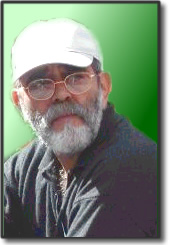
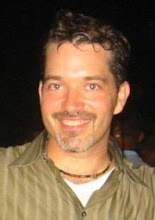
He has also interviewed a number of other leading Cuban cultural figures such as Leonardo Padura, Pedro Luis Ferrer, and Aldo (of the hip-hop duo Los Aldeanos). [I leave it to readers to guess which of the two photos below depict Morales with which artiste]. Check out his blog and take a look at his profile and photos. The red ciudadana (citizen network) seems to be growing and growing.
On July 9, 2010, he put up his first post at El pequeño hermano which follows:
Prologue to The Little Brother, 9 July, 2010
"Finally, yes, I yielded to necessity. I often wondered how long I could resist the stimulus, the temptation, and I delayed my response as if it had something to do with the uncomfortable or inevitable.
FRANK goes to CUBA
El Yuma just got wind of the alternative magazine Frank's new number on C-U-B-A.
Go here or here to check it out.
From the editor's note:
"As far as political notoriety goes, Cuba punches far above its weight. The feisty Caribbean nation is well known for playing “David” in a longstanding conflict with its nextdoor neighbor, and still Fidel Castro and Che Guevara remain two of the most recognized characters in contemporary history.
Go here or here to check it out.
From the editor's note:
"As far as political notoriety goes, Cuba punches far above its weight. The feisty Caribbean nation is well known for playing “David” in a longstanding conflict with its nextdoor neighbor, and still Fidel Castro and Che Guevara remain two of the most recognized characters in contemporary history.
Friday, October 8, 2010
Cutting Costs, Cuba Begins Handing Out Pink Slips
By REUTERS
Published: October 08, 2010
HAVANA (Reuters) - Cubans faced a harsh new reality this week - dismissal slips - as the government began paring state payrolls in a cost-cutting move that has created job insecurity for the first time in years in the Communist country.
Workers were being laid off in countless industries, from hospitals to hotels, and in the biggest action to be made public so far, employees at a state-owned enterprise, the Special Protection Services Company, were told that the company would be shut down and 23,000 people let go.
It was the beginning of President Raúl Castro's plan to cut 10 percent of the government's work force, or about 500,000 people, by April in the most significant overhaul attempted since he succeeded his older brother, Fidel Castro, in 2008.
Published: October 08, 2010
HAVANA (Reuters) - Cubans faced a harsh new reality this week - dismissal slips - as the government began paring state payrolls in a cost-cutting move that has created job insecurity for the first time in years in the Communist country.
Workers were being laid off in countless industries, from hospitals to hotels, and in the biggest action to be made public so far, employees at a state-owned enterprise, the Special Protection Services Company, were told that the company would be shut down and 23,000 people let go.
It was the beginning of President Raúl Castro's plan to cut 10 percent of the government's work force, or about 500,000 people, by April in the most significant overhaul attempted since he succeeded his older brother, Fidel Castro, in 2008.
Thursday, October 7, 2010
No Swap
No talk of US-Cuba prisoner swap: US senator
(AFP) – Oct 6, 2010
WASHINGTON — A top US senator just back from a five-day visit to Cuba to meet with officials there said he did not believe there was any chance of a prisoner swap between the United States and its communist neighbor.
(AFP) – Oct 6, 2010
WASHINGTON — A top US senator just back from a five-day visit to Cuba to meet with officials there said he did not believe there was any chance of a prisoner swap between the United States and its communist neighbor.
Ravsberg (and Dilla) on Temas (in English) - Ultimo Jueves
Two Cuba watchers who I always listen to when they talk (though I don't always agree with what they say) are the Cuban political sociologist Haroldo Dilla (pictured to the left and who now lives in the DR) and the Spanish BBC correspondent and blogger in Havana Fernando Ravsberg (pictured below with El Comandante).
This week they disagree.
A few days ago there was a bit of controversy on the web when a number of attendees to this month's "Ultimo Jueves" open debate on the 'special period' sponsored by Temas magazine and held at Fresa y Chocolate cafe on 23rd street and 10th Ave in El Vedado were not given access (it seems).
This has happened before (to a friend of mine who has a thing for spikey blong wigs) and Dilla sounded off asking Rafael Hernandez (pictured to the left) for an apology, or at least an explanation this time around.
It seems, however, that Hernandez is in Beijing (or Toronto?).
In any case, the always intrepid Fernando Ravsberg was there, inside, and gives the following fascinating, detailed description. (Can anyone out there in cyberlandia identify the economists or sociologist he mentions?)
A shout out to Havana Times for translating and posting this. HT keeps getting better and better.
"Debatiendo Temas en Cuba"
Debating Issues in Cuba
October 7, 2010
Fernando Ravsberg
HAVANA TIMES — To see disagreements between the panelists on a program like Cuba's news/commentary program "Mesa Redonda" (the Round Table) is something that rarely occurs. To also allow members of an audience to raise blunt criticisms against the government would be truly astounding.
Notwithstanding, this is what happened at the Fresa y Chocolate Cultural Center at the end of September. In the panel discussion held there was a former economic minister of Fidel Castro, a well-known economic analyst from the University of Havana, and a renowned sociologist.
This week they disagree.
A few days ago there was a bit of controversy on the web when a number of attendees to this month's "Ultimo Jueves" open debate on the 'special period' sponsored by Temas magazine and held at Fresa y Chocolate cafe on 23rd street and 10th Ave in El Vedado were not given access (it seems).
This has happened before (to a friend of mine who has a thing for spikey blong wigs) and Dilla sounded off asking Rafael Hernandez (pictured to the left) for an apology, or at least an explanation this time around.
It seems, however, that Hernandez is in Beijing (or Toronto?).
In any case, the always intrepid Fernando Ravsberg was there, inside, and gives the following fascinating, detailed description. (Can anyone out there in cyberlandia identify the economists or sociologist he mentions?)
A shout out to Havana Times for translating and posting this. HT keeps getting better and better.
"Debatiendo Temas en Cuba"
Debating Issues in Cuba
October 7, 2010
Fernando Ravsberg
HAVANA TIMES — To see disagreements between the panelists on a program like Cuba's news/commentary program "Mesa Redonda" (the Round Table) is something that rarely occurs. To also allow members of an audience to raise blunt criticisms against the government would be truly astounding.
Notwithstanding, this is what happened at the Fresa y Chocolate Cultural Center at the end of September. In the panel discussion held there was a former economic minister of Fidel Castro, a well-known economic analyst from the University of Havana, and a renowned sociologist.
Vargas Llosa wins Nobel
Breaking News Alert
The New York Times
Thursday, October 07, 2010 -- 7:12 AM ET
-----
The New York Times
Thursday, October 07, 2010 -- 7:12 AM ET
-----
Mario Vargas Llosa Wins Nobel Prize in Literature
The Peruvian writer Mario Vargas Llosa has won the 2010 Nobel
Prize in Literature.
The Swedish Academy said that it was honoring the 74-year-old
author "for his cartography of structures of power and his
trenchant images of the individual's resistance, revolt and
defeat."
Sent via BlackBerry from T-Mobile
Wednesday, October 6, 2010
Twitter responds... And we learn a few lessons
Tomas Bilbao at The Havana Note reports that Twitter has responded saying that a technical glitch (not the Cuban censors) is responsible for the loss of sms Twitter service in Cuba. They are working to restore service now or advise customers the new number they have to use to Tweet in the future.
However, this brief episode tells us a few interesting things:
First, it indicates that when Yoani talks or tweets, people (including the Cuban government and the executives at Twitter) listen.
Second, the long and immediate response from the Cuban government indicates that they are very sensitive to news, PR, and critical claims about access and use of ICT and social networking in Cuba.
Third, while we continue to "kick the darkness (in Cuba) 'till it bleeds daylight" - i.e., demand transparent freedom of expression and assembly whether in the streets or on the net, we can't forget that our own counterproductive, "torpe y anacronico" embargo (in the memorable words of la flaca) and travel restrictions are responsible for part of Cuba's continued isolation from the rest of the world...
...Not to mention constituting, as always, a convenient whipping boy whenever the Cuban government needs a scapegoat for its own desire to control the free flow of information and communications.
However, this brief episode tells us a few interesting things:
First, it indicates that when Yoani talks or tweets, people (including the Cuban government and the executives at Twitter) listen.
Second, the long and immediate response from the Cuban government indicates that they are very sensitive to news, PR, and critical claims about access and use of ICT and social networking in Cuba.
Third, while we continue to "kick the darkness (in Cuba) 'till it bleeds daylight" - i.e., demand transparent freedom of expression and assembly whether in the streets or on the net, we can't forget that our own counterproductive, "torpe y anacronico" embargo (in the memorable words of la flaca) and travel restrictions are responsible for part of Cuba's continued isolation from the rest of the world...
...Not to mention constituting, as always, a convenient whipping boy whenever the Cuban government needs a scapegoat for its own desire to control the free flow of information and communications.
Cuba responds - No somos nosotros, es Tio Sam y su Bloqueo maldito
El Yuma just got this comment from a reader:
Connergo has left a new comment on your post "Twitter via sms blocked in Cuba?":
"This just in. Sorry, I don't have time to translate it but in a nutshell: sort of. This is also the reason why Skype and other VOIP programs don't work here."
Descarta Cuba limitaciones en acceso a redes sociales en Internet
Por Antonio Rondón García
Moscú, 6 oct (PL) El viceministro cubano de la Informática y las Comunicaciones, José Luis Perdomo, descartó hoy alguna limitación en el acceso de sus conciudadanos a las redes sociales en Internet y denunció aquí obstáculos a las comunicaciones impuestos por el bloqueo estadounidense.
"Cuba no bloquea el acceso de ningún ciudadano al envío de mensajes a las redes sociales en Internet como Twitter o Facebook y ello es una calumnia que se ha levantado contra nuestro país", indicó el viceministro en declaraciones a Prensa Latina.
Connergo has left a new comment on your post "Twitter via sms blocked in Cuba?":
"This just in. Sorry, I don't have time to translate it but in a nutshell: sort of. This is also the reason why Skype and other VOIP programs don't work here."
Descarta Cuba limitaciones en acceso a redes sociales en Internet
Por Antonio Rondón García
Moscú, 6 oct (PL) El viceministro cubano de la Informática y las Comunicaciones, José Luis Perdomo, descartó hoy alguna limitación en el acceso de sus conciudadanos a las redes sociales en Internet y denunció aquí obstáculos a las comunicaciones impuestos por el bloqueo estadounidense.
"Cuba no bloquea el acceso de ningún ciudadano al envío de mensajes a las redes sociales en Internet como Twitter o Facebook y ello es una calumnia que se ha levantado contra nuestro país", indicó el viceministro en declaraciones a Prensa Latina.
Subscribe to:
Posts (Atom)